
What Are Startups and Why They Matter
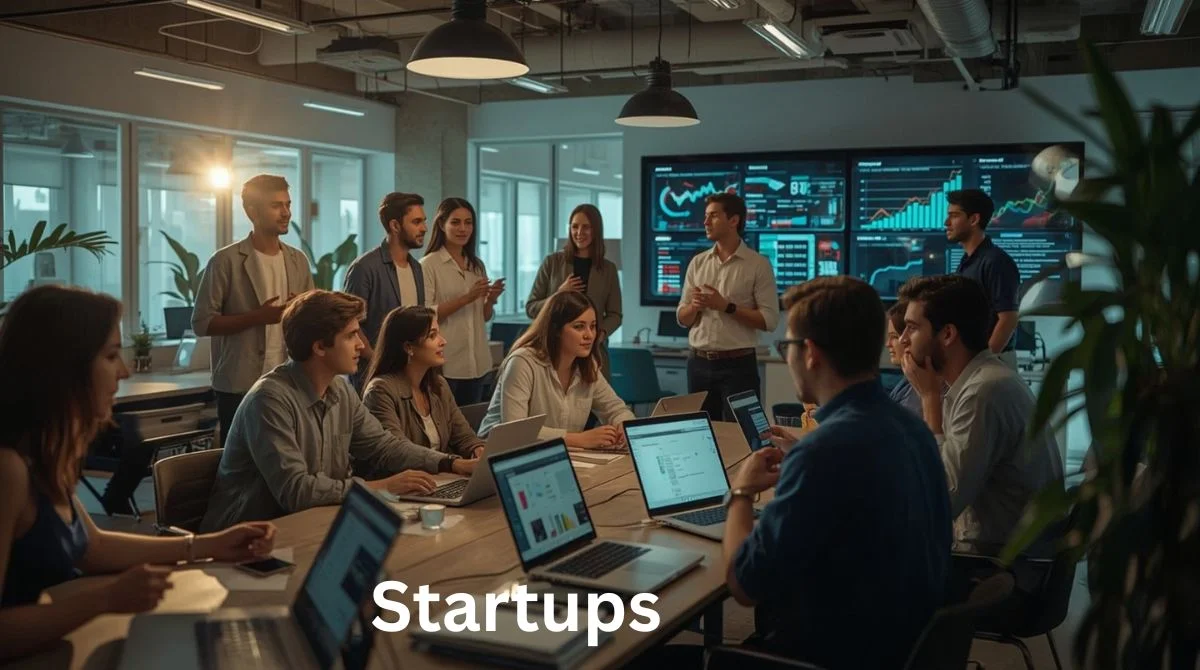
A startup is a young business created to solve a problem, often through innovation and technology. Unlike traditional companies, startups are designed to grow fast, scale quickly, and disrupt existing markets.
They often begin with a simple idea like connecting people online (Facebook), making payments easier (PayPal), or renting homes globally (Airbnb). Over time, these ideas evolve into multi-billion-dollar enterprises that redefine entire industries.
Startups matter because they:
-
Bring fresh ideas and creativity to stagnant industries
-
Create new job opportunities and skill demands
-
Drive competition, forcing large corporations to innovate
-
Attract global investments and boost economies
In short, startups are shaping the way modern business operates, introducing agility, innovation, and customer-centric thinking at every level.
The Role of Startups in Modern Business Growth
Startups have become vital to economic development. They contribute to GDP growth, create employment, and fuel technological progress. According to recent studies, startups are responsible for over 50% of new job creation in many developed economies.
Their biggest strength lies in their flexibility. Startups can test, pivot, and scale ideas faster than traditional businesses. This ability allows them to explore uncharted opportunities and challenge industry giants.
For example:
-
Fintech startups: like Stripe and Revolut are transforming banking.
-
Healthtech startups: are improving patient care through AI and data analysis.
-
Edtech companies: are reshaping learning with remote and hybrid models.
These innovations push larger corporations to evolve and improve their systems a win-win for consumers and the economy.
Key Areas Where Startups Are Creating Change
1. Digital Transformation
Startups have accelerated the shift to digital-first business models. Companies now rely on automation, e-commerce, and cloud technologies inspired by startup innovation.
2. Sustainability and Green Innovation
Many startups focus on eco-friendly solutions. From electric vehicles to zero-waste packaging, sustainability is now a key business value, not just a marketing term.
3. Fintech and Blockchain
Startups in finance are using blockchain and AI to simplify transactions, reduce fraud, and improve access to global banking services.
4. Remote Work and Collaboration Tools
Startups like Zoom, Slack, and Notion changed how people work worldwide. Remote collaboration is no longer an option it’s the new normal.
5. Health and Biotechnology
Startups are making healthcare more accessible with telemedicine, wearable devices, and AI-powered diagnostics.
How Technology Is Empowering Startups?
Technology is the backbone of startup success. From small software tools to advanced AI platforms, startups use digital tools to stay lean, smart, and scalable.
Here’s how technology drives startup growth:
| Technology | How It Helps Startups | Examples |
|---|---|---|
| Artificial Intelligence | Automates tasks, improves decision-making | ChatGPT, Jasper |
| Cloud Computing | Reduces costs and improves scalability | AWS, Google Cloud |
| Blockchain | Increases transparency and security | Coinbase, Chainlink |
| Data Analytics | Helps understand customer behavior | Mixpanel, Amplitude |
| Social Media Tools | Boosts brand awareness | Buffer, Hootsuite |
Tech innovation allows startups to compete with much larger organizations, even on limited budgets. By adopting agile tools and cloud services, they can launch products, test ideas, and adapt rapidly to market changes.
Startup Ecosystems Around the World
The rise of global startup ecosystems has made entrepreneurship more accessible than ever. Major cities like San Francisco, London, Berlin, Singapore, and Bengaluru have become global hubs for innovation and funding.
However, the startup scene is no longer limited to these major centers. Emerging markets such as Pakistan, Nigeria, Vietnam, and Brazil are seeing a boom in local startups supported by digital infrastructure and venture capital.
These ecosystems thrive because they offer:
-
Access to skilled talent
-
Supportive government policies
-
Incubators and accelerators for early-stage growth
-
Collaboration between universities and investors
The globalization of entrepreneurship ensures that innovation is not confined to one region it’s a worldwide movement reshaping every sector.
Challenges Startups Face in Today’s Market
While startups are innovative, they also face major obstacles that can limit growth or lead to failure. Understanding these challenges helps new founders prepare and build stronger businesses.
1. Funding Limitations
Securing investment remains one of the toughest hurdles. Many startups rely on venture capital, but not all attract the right investors at the right time.
2. Market Competition
As industries become crowded, standing out is difficult. Startups must have a unique value proposition to gain traction.
3. Talent Retention
Hiring and keeping skilled employees is crucial, especially when competing with big corporations offering higher salaries.
4. Economic Uncertainty
Global inflation, political instability, and changing regulations can impact startup growth and investor confidence.
5. Scaling Challenges
Expanding too fast without a solid structure can lead to operational and financial strain. Successful startups grow strategically, not just quickly.
Despite these challenges, startups that remain adaptable and customer-focused continue to thrive.
The Future of Startups: What to Expect
The next decade will be an exciting era for startups. Emerging technologies and global digitalization are opening up limitless opportunities.
Here are some trends shaping the future of startups:
-
AI-Driven Businesses: Automation and machine learning will power new products and services.
-
Green Startups: Climate-conscious companies will dominate future markets.
-
Decentralized Finance (DeFi): Blockchain-based systems will disrupt traditional financial institutions.
-
Global Collaboration: Cross-border partnerships will allow startups to scale faster and enter new markets.
-
Human-Centric Design: Future startups will focus more on user experience, accessibility, and social impact.
These changes point toward a more innovative, connected, and responsible business world one where startups lead the evolution of global commerce.
Final Thoughts
Startups have become the backbone of modern innovation. They’re not just building products they’re building the future of business. With their creativity, agility, and use of technology, startups continue to challenge traditional industries and inspire the next generation of entrepreneurs.