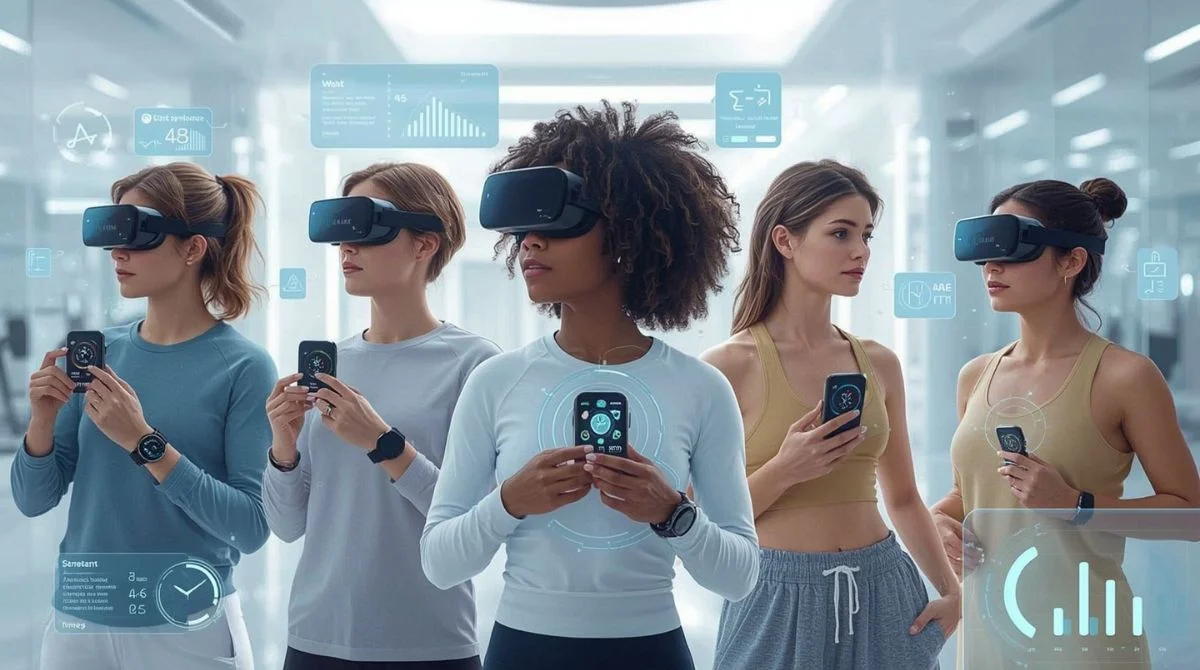

Wearable technology continues to grow fast as people focus more on health, performance, and daily wellness. Today, wearable fitness tech trends shape how we monitor our bodies, track progress, and make lifestyle changes. Modern fitness wearables do far more than count steps or track calories. They give real-time insights, predict health issues, and help users stay consistent with their fitness goals.
Why Wearable Fitness Tech Trends Matter Today?
Wearable fitness tech plays a major role in modern lifestyles. People want convenience, accuracy, and constant motivation. These devices help users monitor health stats without visiting a doctor every time. They also offer personalized coaching, which boosts workout performance and long-term results.
Companies invest heavily in research to improve sensors, battery life, data analytics, and app experiences. As a result, wearable devices now support fitness lovers, athletes, and even patients dealing with chronic conditions.
Rise of Smartwatches as Personal Health Centers
Smartwatches are no longer simple gadgets for notifications. They act as full health hubs that track heart rate, sleep quality, stress levels, and oxygen saturation. These upgrades place smartwatches at the center of wearable fitness tech trends.
Modern smartwatches help users with:
-
Continuous heart-rate tracking
-
ECG monitoring
-
Blood oxygen (SpO2) measurements
-
Sleep stage analysis
-
Guided workouts and recovery insights
These features help people stay aware of their health throughout the day. Smartwatches also connect with fitness apps, allowing users to analyze long-term health patterns.
AI-Powered Wearables Transforming Personal Health
AI continues to redefine the future of wearables. Most devices now use artificial intelligence to process user data, identify patterns, and provide customized guidance. This innovation stands out among the top wearable fitness tech trends.
AI-driven wearables offer:
-
Smarter workout suggestions
-
Automatic activity recognition
-
Alerts for abnormal health signs
-
Personalized nutrition or recovery guidance
AI helps users understand their health better without needing expert help every time. It also makes wearables faster, more accurate, and more reliable.
Advanced Bio-Sensing Raises Health Awareness
Wearables now track more complex health metrics than ever before. Companies integrate advanced biosensors that monitor movement, temperature, hydration, and blood metrics in real time. These sensors make fitness tracking smarter and more detailed.
Popular bio-sensing features include:
-
Skin temperature tracking
-
Blood oxygen sensors
-
Electrodermal activity monitoring
-
Hydration-level detection
These sensors provide deep insights and help people make lifestyle changes backed by accurate data.
Smart Rings Gain Popularity for Everyday Fitness
Smart rings have become a major part of wearable fitness tech trends. These tiny devices track key health data without taking space on the wrist. They suit users who want a lightweight and non-distracting fitness tool.
Smart rings track:
-
Sleep quality
-
Heart-rate variability (HRV)
-
Steps and activity levels
-
Recovery metrics
Their minimalistic design and long battery life make them attractive for both athletes and casual users.
Fitness Trackers Reinvented with Better Accuracy
Fitness bands remain one of the most popular wearables globally. They provide essential tracking features at affordable prices. With new sensor technology, fitness trackers now offer improved accuracy and valuable health insights.
Modern trackers now include:
-
GPS-based activity tracking
-
Stress monitoring
-
High-accuracy sleep analysis
-
Guided breathing sessions
-
Better battery performance
Their lightweight design makes them comfortable for 24/7 use.
Smart Clothing Becomes the Next Big Shift
Smart clothing is one of the fastest-growing wearable fitness tech trends. These clothes integrate sensors directly into the fabric, making tracking seamless and hands-free.
Smart clothing can track:
-
Muscle activity
-
Posture alignment
-
Heart rate
-
Breathing patterns
-
Workout intensity
Athletes use smart clothing to optimize training and prevent injuries. In the future, it may replace wristbands and chest straps entirely.
Wearable Health Monitoring for Medical Use
Wearable health devices are becoming essential for medical monitoring. They help doctors track patient vitals in real time and provide early risk detection. These devices support remote healthcare with easy-to-read dashboards and automatic alerts.
They track:
-
Heart conditions
-
Blood pressure levels
-
Diabetes-related metrics
-
Irregular breathing
-
Stress indicators
As healthcare digitizes, medical-grade wearables will grow even more important.
VR and AR Fitness Wearables Create New Workouts
Virtual reality (VR) and augmented reality (AR) create engaging workout experiences. These devices combine entertainment and exercise in a powerful way.
VR headsets and AR glasses help users with:
-
Immersive workout sessions
-
Gamified fitness challenges
-
Real-time movement tracking
-
Virtual personal trainers
These technologies motivate users to stay active without feeling bored.
Smart Earbuds Improve Workout Performance
Smart earbuds have become a must-have accessory in the fitness world. They provide audio-based coaching while tracking health and activity data.
Smart earbuds offer:
-
Heart-rate monitoring
-
Running cadence analysis
-
AI-based workout coaching
-
Noise control for safe outdoor runs
Their wearable design makes them suitable for both workouts and daily use.
Wearables for Stress Management and Mental Wellness
Mental wellness plays a major role in modern fitness. Many wearables now track stress levels and emotional patterns through sensors and AI tools.
These devices support:
-
Guided breathing
-
Mindfulness sessions
-
Sleep improvement
-
Stress alerts
-
Relaxation routines
This makes them useful for office workers, students, and anyone needing mental balance.
Battery Life Improvement Enhances User Experience
Battery life is a major factor in wearable adoption. Companies now use low-power sensors and optimized processors to extend battery performance.
Longer battery life improves:
-
Daily usage
-
Sleep tracking
-
Workout consistency
-
User convenience
Devices like smart rings and fitness bands often last several days on a single charge, making them ideal for continuous tracking.
Data Privacy and Secure Tracking Become Priorities
As wearables collect sensitive health data, privacy becomes more important. Companies now focus on secure data storage, encrypted transfers, and transparent privacy policies.
Users want:
-
Full control over their health data
-
Secure app integrations
-
Clear data-sharing options
Better privacy builds trust and encourages more people to use wearables.
Integration with Smart Home Ecosystems
Wearables now connect with smart home devices to create a more connected lifestyle. This pairing enhances user convenience and expands fitness possibilities.
Wearables can:
-
Sync health data with home gyms
-
Control smart lights based on mood
-
Trigger reminders or alarms
-
Monitor sleep and adjust room temperature
This ecosystem creates a personalized fitness environment.
Comparison of Popular Wearable Categories
| Wearable Type | Key Features | Best For |
|---|---|---|
| Smartwatches | All-in-one health tracking, AI insights | Everyday users |
| Smart Rings | Sleep, HRV, recovery tracking | Minimalist users |
| Fitness Trackers | Steps, workouts, GPS | Budget-friendly users |
| Smart Clothing | Muscle and posture tracking | Athletes and trainers |
Wearables and Personalized Fitness Coaching
Personalization remains one of the strongest wearable fitness tech trends today. Wearables analyze user behavior and convert raw data into customized suggestions.
Personalized coaching includes:
-
Workout intensity adjustments
-
Ideal recovery time
-
Sleep recommendations
-
Nutrition guidance
This feature helps users maintain consistency without guessing what to do next.
Gamified Fitness Builds Stronger Motivation
Gamification encourages users to stay active by turning fitness into a challenge or competition. Wearables now reward users with badges, levels, and progress milestones.
Gamified features boost:
-
Motivation
-
Consistency
-
Daily movement
-
Long-term engagement
This makes fitness fun instead of stressful.
Future of Wearable Fitness Tech Trends
The future of wearables looks extremely promising. Researchers explore new technologies that may redefine how we understand our bodies and manage our health.
Future wearables may include:
-
Non-invasive glucose monitoring
-
Real-time hydration sensors
-
Mood detection through brain waves
-
Wearables powered by body heat
-
Fully AI-automated fitness plans
As these innovations grow, fitness will become more personalized, accessible, and data-driven.
Final Thoughts
Wearable fitness tech trends continue to evolve quickly as users demand smarter, faster, and more reliable tools. These devices now impact fitness, wellness, sleep, mental health, and medical care. They offer personalized insights, better tracking, and a more connected lifestyle.