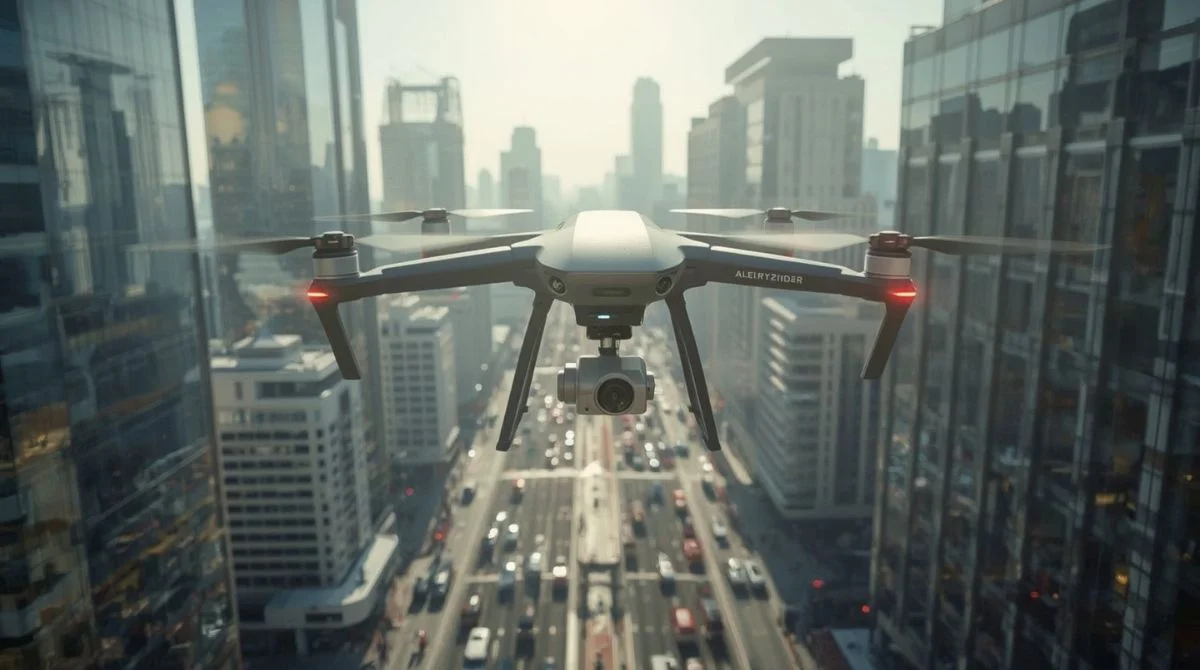

Drone technology has evolved rapidly over the past few years, and today it stands at the center of the global logistics revolution. As businesses push for faster, more efficient, and more reliable delivery methods, drones are becoming a game-changing solution. With these ongoing drone delivery tech updates, companies can now ship products at lightning speed while reducing operational costs and improving customer satisfaction.
What Makes Drone Delivery Technology So Important Today?
Drone delivery is no longer just an experimental idea. It is becoming a mainstream solution due to rising customer expectations and the global demand for fast same-day and next-day deliveries. Businesses now want quicker last-mile shipping, lower delivery costs, and real-time tracking.
People expect faster services from healthcare, retail, food, and e-commerce companies. So these industries adopt the latest drone delivery tech updates to stay competitive. With every innovation, drones become more accurate, safer, and more capable of handling complex delivery routes.
The technology behind these deliveries improves rapidly, making drones smarter and more efficient than ever.
How Drone Delivery Works in Simple Words?
Drone delivery uses unmanned aerial vehicles to transport goods from a warehouse or dispatch center directly to a customer. These drones follow automated routes using GPS, AI navigation, and sensors to avoid obstacles. Once the drone reaches its delivery point, it drops the package using a secure mechanism or lands safely.
Every update in drone delivery technology enhances speed, accuracy, and safety, making the entire process smoother for businesses and customers.
Top Drone Delivery Tech Updates Transforming Fast Shipping
The most exciting part about this industry is the speed at which it is evolving. Below are the most impactful updates shaping the future of ultra-fast drone deliveries.
1. Longer Flight Ranges and Powerful Batteries
Modern drones now travel longer distances due to improved lithium-polymer and solid-state battery technologies. With advanced energy storage, drones can fly farther while carrying heavier packages.
These drone delivery tech updates reduce the time spent on recharging and allow drones to complete multiple deliveries in one trip. Companies like Amazon and Zipline already test long-range hybrid drones for covering miles of delivery routes without interruption.
Better batteries also improve stability, flight time, and weather resistance. This means faster deliveries, especially in busy cities.
2. AI Navigation Systems for Smarter Routing
AI-powered mapping software helps drones pick the fastest routes automatically. These systems process real-time data, such as wind speed, obstacles, traffic, and no-fly zones, to ensure safe and quick delivery.
AI navigation also reduces human involvement in drone operations. With this technology, fleets of drones can deliver thousands of parcels automatically and efficiently.
These intelligent updates allow drones to avoid delays and complete deliveries faster than traditional vehicles.
3. Obstacle Detection and Anti-Collision Sensors
One of the biggest concerns in early drone delivery trials was safety. But today, drones use advanced sensors and cameras that detect buildings, trees, wires, and moving objects.
With LiDAR, infrared sensors, and 3D mapping, drones fly smoothly even in crowded city areas. These safety improvements are among the biggest drone delivery tech updates, making the service reliable for everyday use.
Customers no longer worry about package damage because modern drones handle navigation with extreme accuracy.
4. Upgraded Drone Payload Systems
Modern drones carry a wider variety of items, including sensitive medical supplies, groceries, electronics, and even food.
Improved payload systems allow:
-
Better weight distribution
-
Shock protection
-
Temperature-controlled compartments
-
Faster pick-and-drop systems
These upgrades reduce delivery mistakes and ensure safe package handling. With rising demand for fresh groceries and medicine delivery, these updates are essential for fast shipping.
5. Autonomous Fleet Management for Large-Scale Delivery
Automation reshapes how companies operate drone fleets. New control systems allow businesses to manage dozens or hundreds of drones from a single dashboard.
Features include:
-
Flight scheduling
-
Package assignment
-
Route optimization
-
Real-time tracking
-
Automatic charging and docking
This level of automation ensures seamless fast shipping without constant human monitoring.
6. Faster Drone Charging and Battery Swapping
To speed up operations, companies introduce advanced charging docks and robotic battery-swapping stations. These systems allow drones to recharge or replace batteries in seconds, not hours.
This improvement leads to continuous delivery operations, especially during peak hours when fast shipping matters most.
7. Weather-Resistant Drone Designs
New drone designs withstand strong winds, rain, and mild storms. Manufacturers use lightweight but stronger materials such as carbon fiber and aerospace-grade composites.
With these updates, drones can fly in more conditions and complete deliveries faster without waiting for weather to clear. This helps businesses maintain consistent service.
8. Noise Reduction Technology for Urban Areas
Older drones were loud, creating noise concerns. New low-noise propellers and aerodynamic frames significantly reduce sound levels.
These silent delivery drones can operate smoothly in residential zones without disturbing people. Noise reduction is a major step in making drone delivery widely accepted.
Key Drone Delivery Tech Updates and Their Benefits
| Technology Update | Main Benefit | Impact on Delivery Speed |
|---|---|---|
| AI Navigation | Smarter route planning | Faster arrival times |
| Long-life Batteries | Longer flight time | More deliveries per trip |
| Obstacle Detection | Safer flying | Less rerouting delays |
| Battery Swapping | Quick turnaround | Continuous delivery |
9. Geo-Fencing for Accurate Drop-Off Zones
Geo-fencing allows drones to deliver items with precise landing or drop-off accuracy. This virtual boundary ensures packages arrive exactly where they should, even in large neighborhoods or commercial zones.
This technology enhances safety and prevents lost or misplaced deliveries.
10. Drone-to-Building Delivery Integration
Some companies test docking stations on balconies, rooftops, and office windows. These integrations allow drones to deliver directly to secure areas instead of landing on the ground.
This reduces delivery time because drones no longer search for open spaces to land. The delivery process becomes smooth and predictable.
11. Hybrid Drones for Long-Distance Fast Shipping
Hybrid drones combine electric motors with fuel engines. They fly much farther than regular drones, making them ideal for rural or remote deliveries.
This technology is crucial for medical emergencies, disaster relief, and same-day long-distance deliveries.
12. Real-Time Tracking and Customer Notifications
Customers expect transparency in deliveries. New systems provide minute-by-minute tracking updates via apps.
This includes:
-
Real-time drone location
-
Delivery countdown timers
-
Exact landing location notifications
-
Drone camera live feed (for some services)
These updates improve customer experience and reduce missed deliveries.
13. Environment-Friendly Drone Models
Electric drones produce zero emissions. Companies now design green drone systems to reduce carbon footprints and replace fuel-based delivery vehicles.
These updates benefit:
-
Urban air quality
-
Local businesses
-
Sustainable logistics goals
Eco-friendly drone delivery is becoming a major selling point for modern consumers.
14. Cloud-Based Drone Control Platforms
Cloud systems allow operators to control multiple drones from anywhere. These platforms store data, optimize routes, monitor fleets, and handle emergency overrides.
Cloud management improves delivery speed and keeps operations running smoothly during busy periods.
15. Regulatory Support and Easier Approvals
Governments worldwide are updating drone laws to support commercial delivery services. With improved regulations, businesses launch drone delivery faster and with fewer restrictions.
This encourages innovation and helps companies adopt the latest drone delivery tech updates quickly.
16. High-Speed Drones for Urgent Deliveries
Some drones now fly at speeds over 80–100 km/h, delivering urgent items like medical supplies in record time.
These high-speed drones map optimized air corridors to avoid slow routes. They are perfect for:
-
Emergency medication
-
Critical blood samples
-
Urgent business documents
-
Time-sensitive goods
Speed-focused innovations lead the future of fast shipping.
17. Advanced Landing Technology and Precision Drops
Drones now use computer vision to find perfect landing spots. Precision-drop technology ensures packages land safely in small areas such as:
-
Doorsteps
-
Balconies
-
Office entrances
-
Emergency zones
This increases delivery accuracy and reduces human involvement.
18. Smart Parcel Lockers for Drone Integration
Companies now install drone-compatible parcel lockers. Drones drop packages into these secure boxes without human assistance.
This reduces theft, protects fragile items, and speeds up the entire delivery workflow.
19. Multi-Stop Delivery Routes with One Drone
New algorithms allow a single drone to deliver multiple packages in one route, similar to delivery vans.
This improvement reduces operational costs and increases delivery speed during peak times.
The Future of Drone Delivery: What to Expect Next
Drone delivery adoption will increase rapidly in the next 3–5 years. With stronger laws, better technology, and growing customer trust, drones will become a standard shipping solution.
Expect:
-
Larger drones that carry heavier goods
-
Faster charging times
-
100% autonomous delivery fleets
-
AI decision-making
-
Weather-proof operations
-
Global standardization
These advancements will make drone delivery a normal part of everyday life, just like ordering food or shopping online.
Final Thoughts
Drone delivery is transforming global logistics. With continuous drone delivery tech updates, companies can deliver items faster, safer, and more efficiently. Advanced navigation, automation, long-lasting batteries, and precision systems make drone shipping a powerful tool for modern businesses.