
Railways are the backbone of modern transportation, connecting cities, industries, and communities efficiently. Behind the smooth operation of every train journey is a sophisticated system known as the rail operating centre. These centres play a critical role in managing train schedules, improving safety, and ensuring seamless communication across the network.
What Is a Rail Operating Centre?
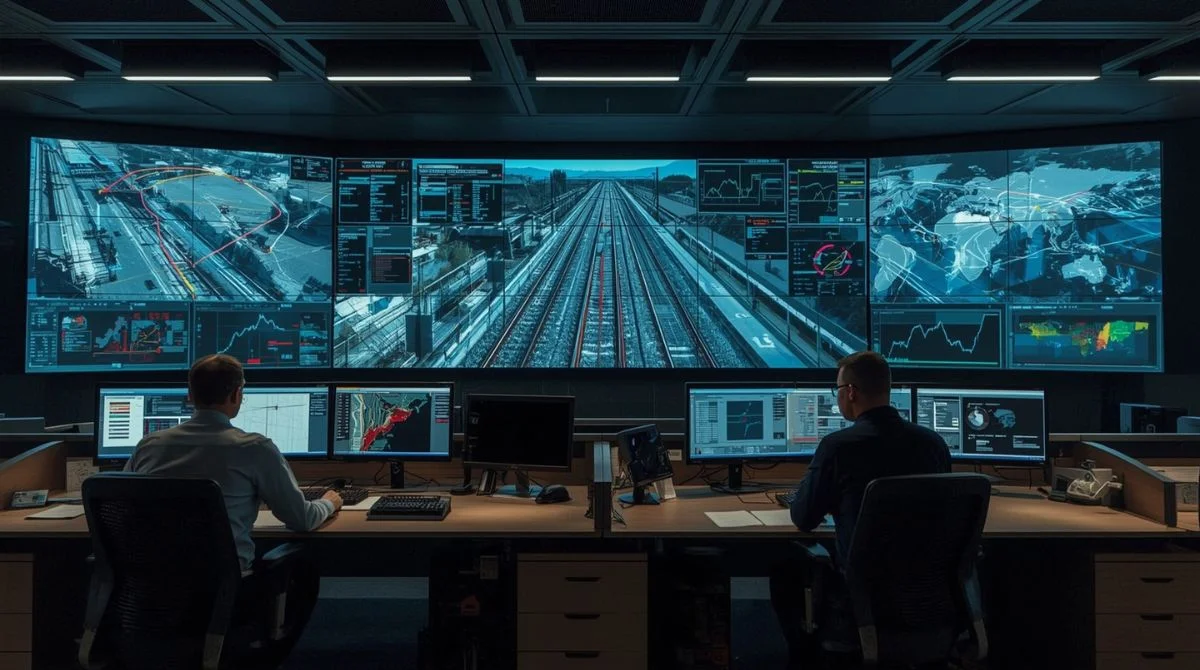
A rail operating centre (ROC) is a centralized facility where rail traffic is monitored, controlled, and coordinated. It allows operators to manage multiple train routes, track conditions, and emergency situations from one location.
Modern ROCs replace older signal boxes and local control rooms. Instead of managing trains manually at scattered locations, operators in a ROC have real-time data, advanced control systems, and communication tools to optimize train movement across large regions.
Key objectives of a rail operating centre include:
-
Maintaining train punctuality
-
Enhancing passenger and freight safety
-
Coordinating rail network operations
-
Reducing delays and operational errors
How Does a Rail Operating Centre Work?
A ROC relies on advanced technology and well-trained operators to manage train operations efficiently. Its core functions include:
1. Real-Time Train Monitoring
Operators track every train using digital systems and GPS technology. These tools provide live updates on train locations, speed, and track occupancy.
2. Signal and Switch Control
Signals and track switches are controlled remotely, ensuring smooth train movement. Operators can reroute trains or stop them if safety concerns arise.
3. Communication Hub
ROCs connect operators, drivers, station staff, and maintenance teams. Rapid communication is crucial for handling emergencies and coordinating schedules.
4. Emergency Response Management
In case of accidents, mechanical failures, or natural events, the ROC initiates emergency protocols. It can alert rescue teams, adjust train routes, and prevent further risks.
Key Components of a Rail Operating Centre
A rail operating centre consists of advanced systems designed for efficiency and safety:
-
Control Room: The heart of the ROC, where operators monitor and manage train traffic.
-
Computerized Systems: Software that displays train positions, track conditions, and signal status.
-
Communication Equipment: Radios, intercoms, and digital messaging systems to connect teams.
-
Emergency Protocol Systems: Automated alerts and safety procedures.
-
Data Storage and Analysis: Logs train movements and system performance for operational improvements.
Together, these components ensure that every train journey is safe, punctual, and reliable.
The Role of Technology in a Rail Operating Centre
Technology has transformed traditional rail operations. Modern rail operating centres integrate:
-
GPS Tracking: For accurate train location monitoring.
-
Advanced Signaling Systems: To prevent collisions and optimize traffic flow.
-
Data Analytics: For predictive maintenance and schedule planning.
-
AI and Automation: Some centres use AI to detect anomalies and optimize routes automatically.
-
Digital Communication Networks: Seamless communication between operators, drivers, and emergency teams.
This combination of technology and human oversight maximizes efficiency and safety on the rails.
Benefits of a Rail Operating Centre
1. Improved Train Punctuality
With real-time monitoring, ROCs help reduce delays by managing train movement efficiently. Operators can anticipate bottlenecks and adjust schedules to keep trains on time.
2. Enhanced Safety
Centralized control ensures quick responses to accidents, track faults, or signal failures. This reduces the risk of collisions and improves passenger safety.
3. Optimized Freight and Passenger Services
ROCs manage both passenger trains and freight traffic. By coordinating routes and priorities, they increase network capacity and reduce congestion.
4. Reduced Operational Costs
Efficient traffic management and predictive maintenance reduce fuel use, staff requirements, and repair costs.
5. Centralized Decision-Making
A single control hub allows better coordination, faster problem-solving, and improved strategic planning across the railway network.
Challenges in Operating a Rail Operating Centre
While ROCs are highly beneficial, they face challenges:
-
High Setup Costs: Building and equipping a modern ROC requires significant investment.
-
Training Requirements: Skilled operators must be trained to manage advanced technology.
-
System Dependence: Malfunctions in software or communication systems can cause network disruptions.
-
Cybersecurity Risks: Digital systems are vulnerable to hacking and require robust security measures.
-
Emergency Complexity: Large networks need clear protocols to handle simultaneous incidents efficiently.
Real-Life Examples of Rail Operating Centres
Many countries have invested heavily in ROCs to modernize rail operations. Examples include:
-
United Kingdom: Network Rail operates multiple ROCs managing entire regions from single locations.
-
United States: Amtrak and regional rail systems use centralized operations centres for traffic control.
-
Europe: Countries like Germany and France rely on ROCs for high-speed and freight rail coordination.
-
Asia: Japan and India integrate advanced technology in ROCs to manage dense passenger traffic efficiently.
These examples show the global adoption of ROCs for safe and reliable rail services.
Impact on Passenger Experience
The rail operating centre improves the overall passenger experience by:
-
Reducing delays and improving reliability
-
Enhancing safety with rapid emergency responses
-
Allowing smooth transfers and better scheduling
-
Providing real-time travel updates through apps and announcements
Passengers may not see the ROC, but its impact is felt in every journey.
Impact on Freight Operations
For freight trains, efficiency is critical. A ROC ensures:
-
Timely delivery of goods
-
Reduced congestion on main lines
-
Effective management of track maintenance
-
Coordination with other transport modes for logistics
By integrating freight and passenger train management, ROCs maximize network efficiency.
One Table Showing ROC Benefits
| Benefit | Impact on Rail Operations |
|---|---|
| Improved Punctuality | Fewer delays, on-time arrivals |
| Enhanced Safety | Reduced accidents and collisions |
| Optimized Traffic Flow | Better scheduling of passenger and freight trains |
| Cost Efficiency | Lower fuel, maintenance, and staffing costs |
| Centralized Coordination | Faster response to emergencies and operational issues |
Future of Rail Operating Centres
The future of ROCs is evolving with technology:
-
AI-Powered Control: AI will predict disruptions and optimize routes automatically.
-
Smart Sensors: Real-time monitoring of track conditions and train health.
-
Integrated Networks: Connecting multiple ROCs for nationwide control.
-
Green Initiatives: Optimizing train movement for energy efficiency and reduced emissions.
-
Passenger-Centric Services: Real-time travel updates, ticketing integration, and smart scheduling.
As rail networks grow, ROCs will become more advanced and essential to meet rising transportation demands.
Conclusion
A rail operating centre is the brain of modern rail networks. By integrating technology, skilled operators, and centralized decision-making, ROCs improve train efficiency, enhance safety, and optimize the passenger and freight experience.
From preventing accidents to reducing delays and improving cost efficiency, these centres are indispensable for the modern rail industry. As technology advances, the role of ROCs will continue to expand, shaping the future of rail travel worldwide.